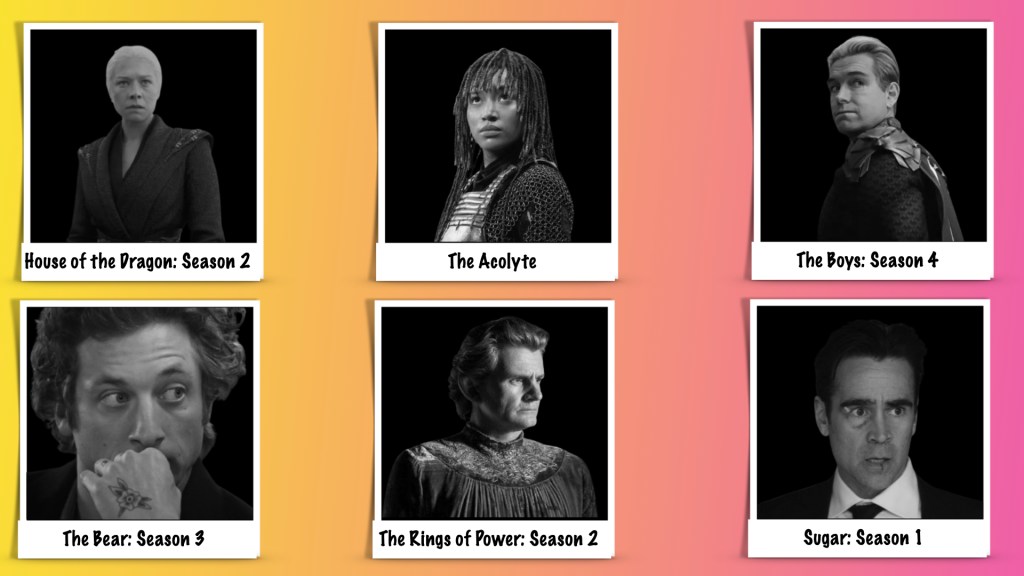
(L-R, top row) HOUSE OF THE DRAGON (Max); THE ACOLYTE (Disney+); THE BOYS (Prime Video). (L-R, bottom row) THE BEAR (Disney+/Hulu); THE RINGS OF POWER (Prime Video); SUGAR (Apple TV+).
In the final of the three previously announced ‘2024 TV Highlights Thus Far’ review compilation articles, I take a look at some of the most high-profile series of the year, including two dueling fantasy shows, but also an underseen Apple TV+ gem with a plot development you have to see to believe.
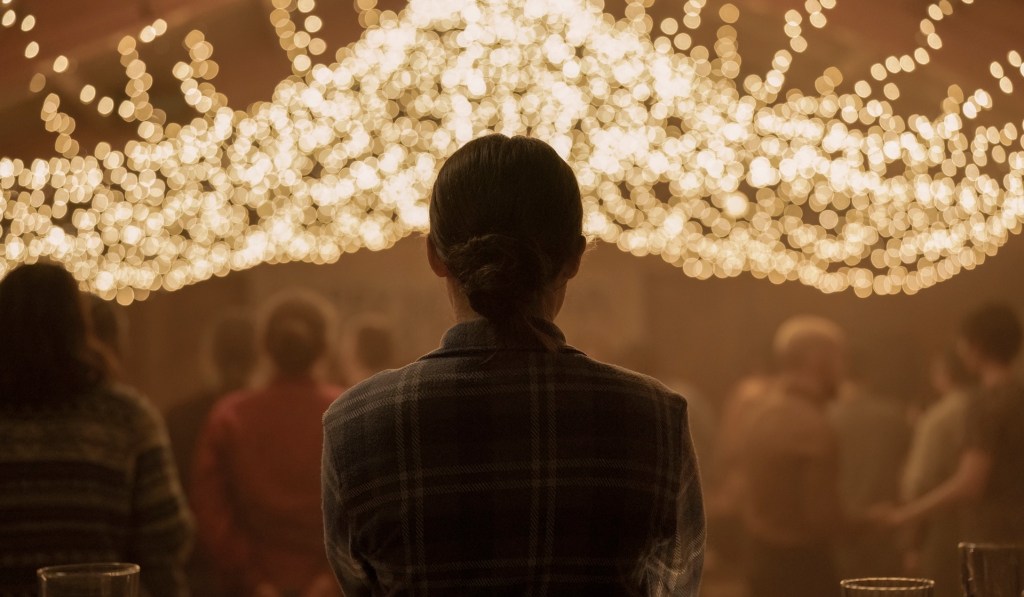
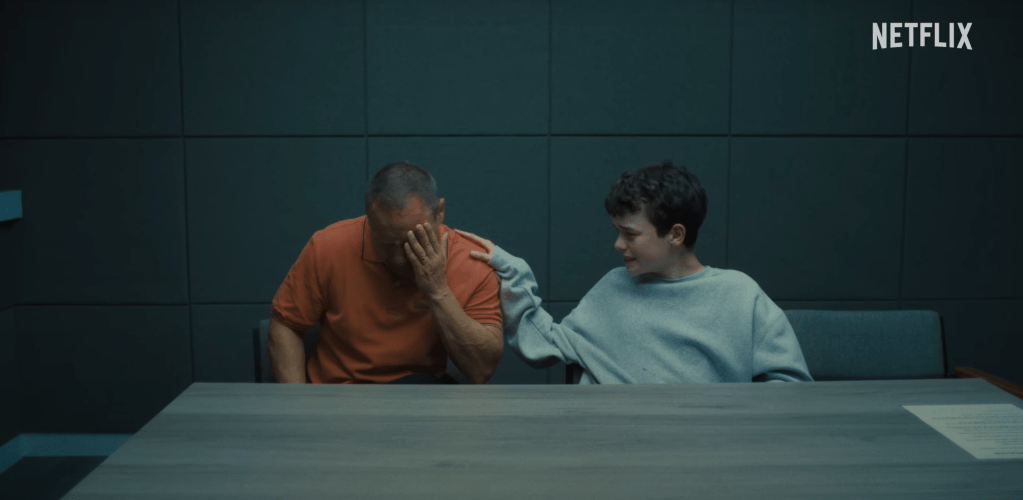
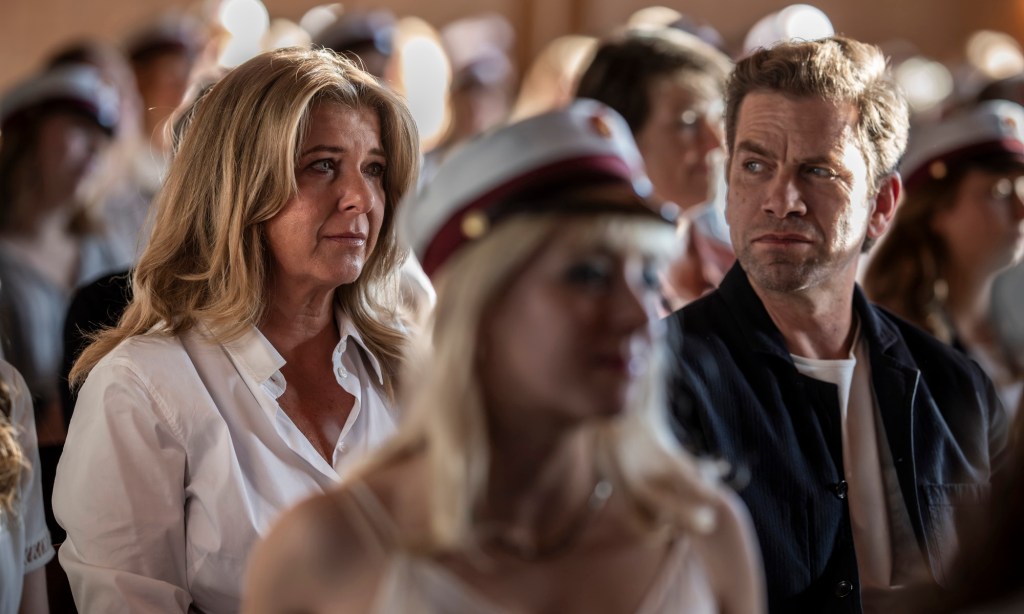
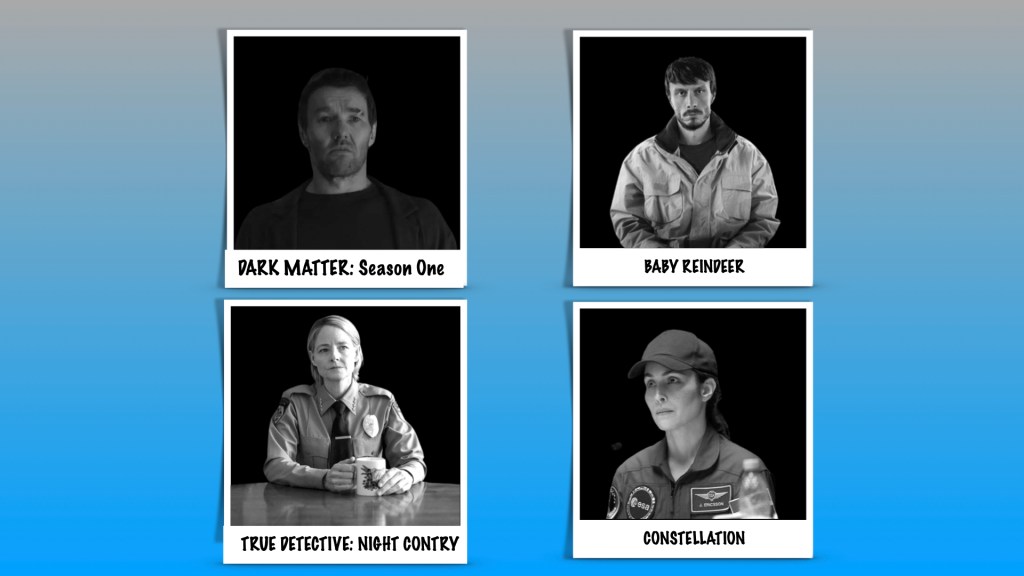
(L-R, top then bottom) DARK MATTER (Apple TV+), BABY REINDEER (Netflix), TRUE DETECTIVE: NIGHT COUNTRY (Max), and CONSTELLATION (Apple TV+).
All five shows were definite recommendations in the first (of three) ‘2024 TV Highlights Thus Far’ review articles. They were all shows that I expect to end up on plenty of top 10 lists at the end of the year. This second part is a little bit different. Although, yes, I expect one or two of these to have enough critical appreciation for them to land on plenty of top 10s, the vast majority of part 2’s series weren’t home runs. They are highlights because I found something about each and every one of these series to be really effective, but not all of these are series that I’d easily recommend to friends and family. In fact, some of these shows even disappointed me from time to time, but I think there is enough in every one of these shows to merit them being singled out and discussed. In this part, among other things, I’ll be discussing two Apple TV+ series both of which revolve around parallel universes and the existence of multiple different persons of the same character.
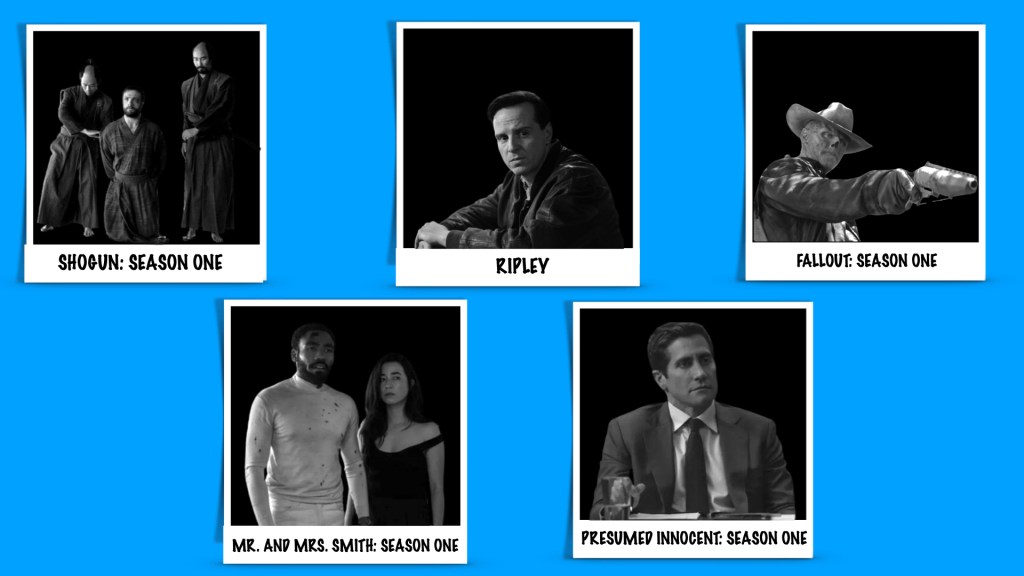
(L-R, 1st row, then 2nd row) SHOGUN (FX / Hulu), RIPLEY (Netflix), FALLOUT (Prime Video), MR. AND MRS. SMITH (Prime Video), and Presumed Innocent (Apple TV+).
You don’t really understand it when you’re a kid, but, boy, it really feels like time flies by as you get older. When you’re stressed or overworked or even just have more important things on your mind, it can be difficult to find the time to do what you want to do before it feels like you’re too late. This is, in part, why I started doing these review compilation posts sometimes containing bite-sized reviews about shows or films that I feel like I still need to talk about, even though I missed out on the moment right after the release. If you read my website frequently, then you know that I’ve recently posted two backlog/catch-up compilations for last year’s TV series. With that out of the way, I now want to focus on some of the shows of the past seven or eight months that I really want to give you my thoughts on. Today, I’ll focus on some of the shows that I think are the very best of the year thus far, including, but not limited to, a video game TV-adaptation and an incredibly stylish reimagining of an iconic Patricia Highsmith story.
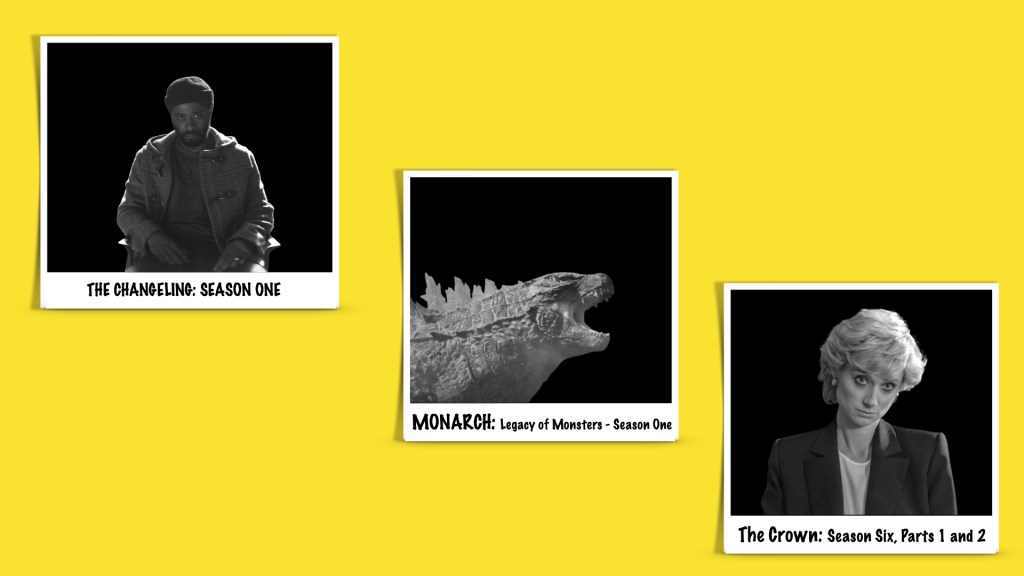
(L-R) The Changeling (Apple TV+); Monarch: Legacy of Monsters (Apple TV+), The Crown (Netflix).
In this edition of Additional Bite-Sized Reviews, the point of this post is to function as a review compilation, if you will, of some notable 2023 television series that I’ve either caught up with in the last few months or which I never found the time to write about when they were released way back when (i.e. my review notes backlog). For this post, I have specifically highlighted three shows from the past year that didn’t fully work for me, even though I liked a fair bit about them.
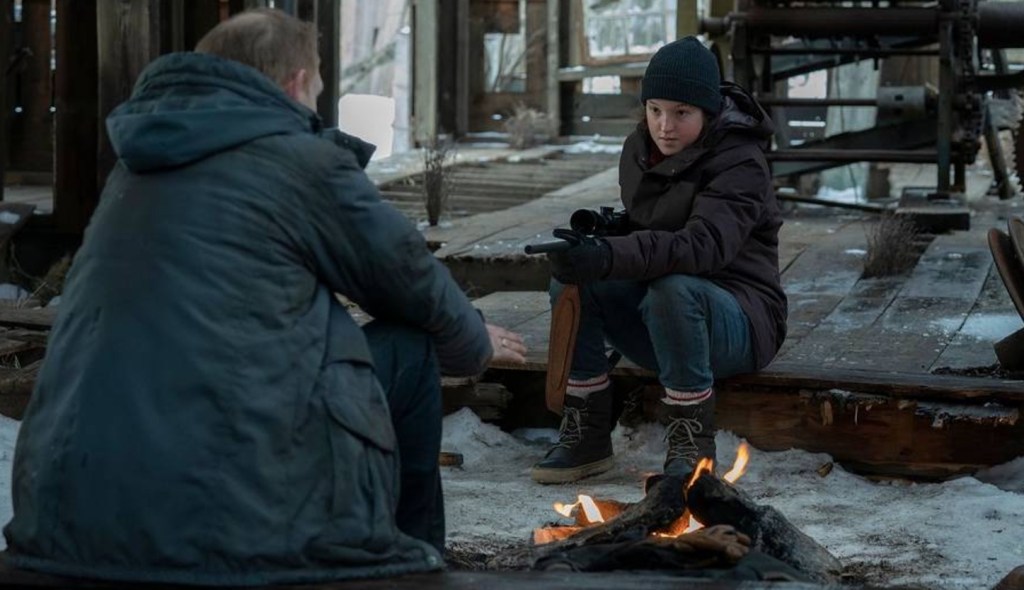
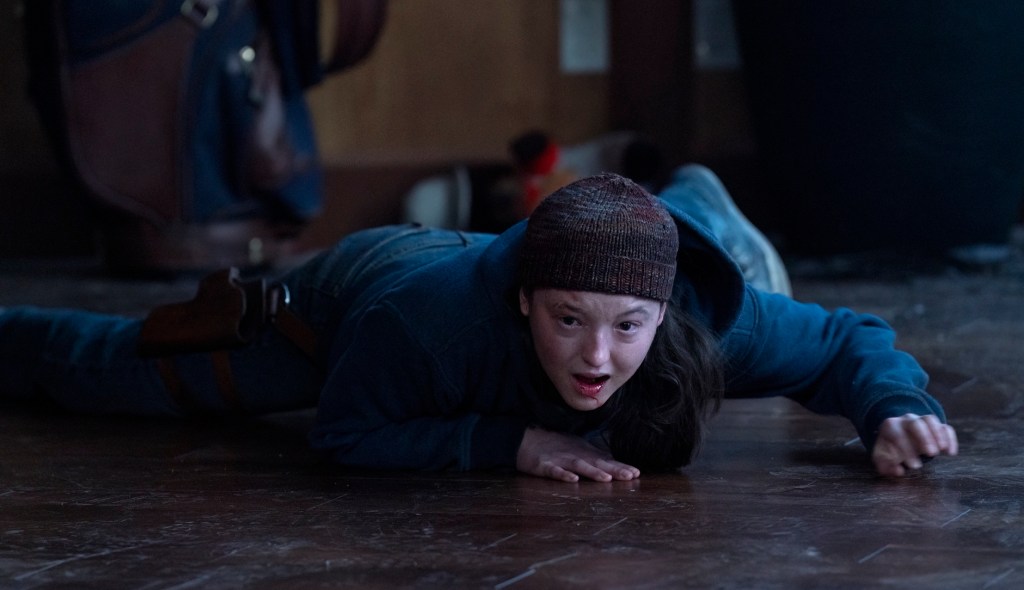
Scott Shepherd as ‘David’ and Bella Ramsey as ‘Ellie’ in HBO’s THE LAST OF US –PHOTO: HBO / Liane Hentscher.
The following is a recap and review of the eighth episode of HBO’s The Last of Us. Expect story spoilers.
In the eighth and penultimate episode of the first season of the HBO adaptation of the critically acclaimed video game franchise known as The Last of Us — titled When We Are In Need — Ellie (played by Bella Ramsey) encounters a group of survivors that may be more trouble than they seem. When We Are In Need was directed by Ali Abbasi (Holy Spider) and written by Craig Mazin (Chernobyl).
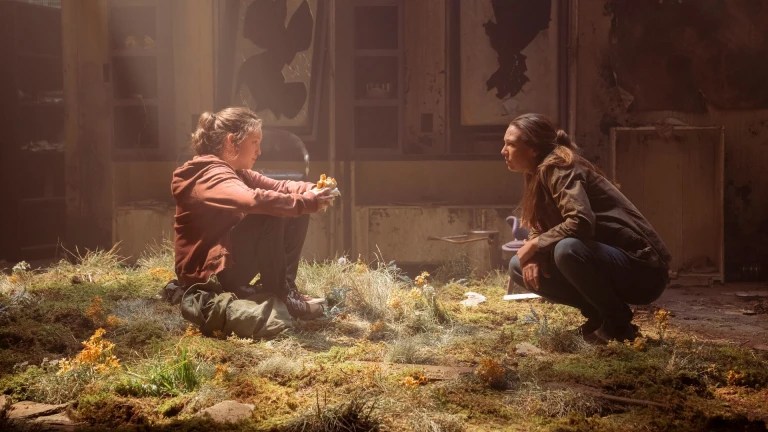
Bella Ramsey as ‘Ellie’ and Anna Torv as ‘Tess’ in HBO’s THE LAST OF US — PHOTO. HBO / Liane Hentscher.
The following is a recap and review of the second episode of HBO’s The Last of Us. Expect story spoilers.
In the second episode of the first season of the HBO adaptation of the masterful video game franchise known as The Last of Us — titled Infected — Joel (played by Pedro Pascal) begrudgingly agrees to escort Ellie (played by Bella Ramsey), alongside his longtime smuggling partner, Tess (played by Anna Torv), to the Old State House in Boston. On their way there, Ellie sees what longtime infection can turn someone into. Infected was directed by Neil Druckmann (television directorial debut) and written by Craig Mazin.
Nico Parker’s Sarah and Pedro Pascal’s Joel on outbreak day in THE LAST OF US — PHOTO: HBO / Shane Harvey.
The following is a recap and review of the first episode of HBO’s The Last of Us. Expect story spoilers.
The Last of Us is my favorite video game ever made. I hold it in the highest regard as one of my favorite stories. The game, and its sequel too, is a heart-wrenching, fully absorbing masterpiece that does a lot with the zombie genre. Now HBO has decided to have it adapted into a television series. The show is created by one of the game’s creative directors, Neil Druckmann, as well as the creator of HBO’s incredible Chernobyl series, Craig Mazin, and it features a stellar cast from top to bottom with actors such as Pedro Pascal (The Mandalorian), Anna Torv (Fringe), Bella Ramsey (Game of Thrones), and others.
Series Created by Tony Gilroy — Available on Disney+ now.
Since Disney acquired the rights to Star Wars, it has been somewhat of a bumpy ride. Their so-called sequel trilogy features a safe-but-satisfying opener (The Force Awakens), an excellent and thrilling second film that divided the fanbase and revealed toxicities (The Last Jedi), and a conclusion that, in trying too hard to satisfy toxic fans, went back on what the previous film had set up and ended the trilogy on a whimper (The Rise of Skywalker). Even the spin-off films have divided opinions due to them over-explaining things that needed no explanations. As live-action Star Wars has embraced streaming, it has been with similar ups and downs. The Mandalorian is a bonafide hit (but in its most memorable moments it has still clung to fan service). The Book of Boba Fett was good in glimpses but its best episodes are essentially episodes of The Mandalorian. Finally, though richly satisfying, Obi-Wan Kenobi was a safe and fan-service-laden limited series that was yet another reminder of how insular Star Wars storytelling can often feel. As a huge Star Wars fan, it pleases me greatly to be able to affirm that ANDOR, a prequel spin-off series of Rogue One: A Star Wars Story, is a breath of fresh air in that it is a mature, dark, and gritty series that makes the Empire and the Rebellion feel real again.
Show Creator: Bisha K. Ali — Show Directors: Adil & Bilall, Meera Menon, and Sharmeen Obaid-Chinoy.
It’s interesting to me that most of the Disney+ shows thus far have really been aimed at the Marvel Cinematic Universe’s mainstream die-hard audience. I sort of expected Disney+ to get into more shows that focused on family fun. I think Hawkeye felt like a family show, but no show has been as close to feeling like a Disney Channel show as Ms. Marvel did. Don’t misunderstand me. That isn’t a diss or a criticism. I think it’s refreshing to see a true young adult family-oriented MCU show. I also think that is the right way to introduce this fan-favorite character to the mainstream audience. I’m glad they gave her a Spider-Man: Homecoming-esque Disney+ show.
Michael C. Hall and Jack Alcott in Showtime’s DEXTER: NEW BLOOD — Photo: Seacia Pavao / Showtime.
The following is a review of the mini-series ‘Dexter: New Blood,’ which was developed by Clyde Phillips.
Is it possible to salvage a once-iconic show that once ended terribly? The original run of Showtime’s Dexter (2006-2013), which was based on Jeff Lindsay novels, started great, picked up a massive fanbase in its first four fantastic seasons, and then, after a couple of underwhelming, but still at least watchable (and rewatchable), seasons of television, it ended in a way that has made the original show a textbook example of how not to end a show.