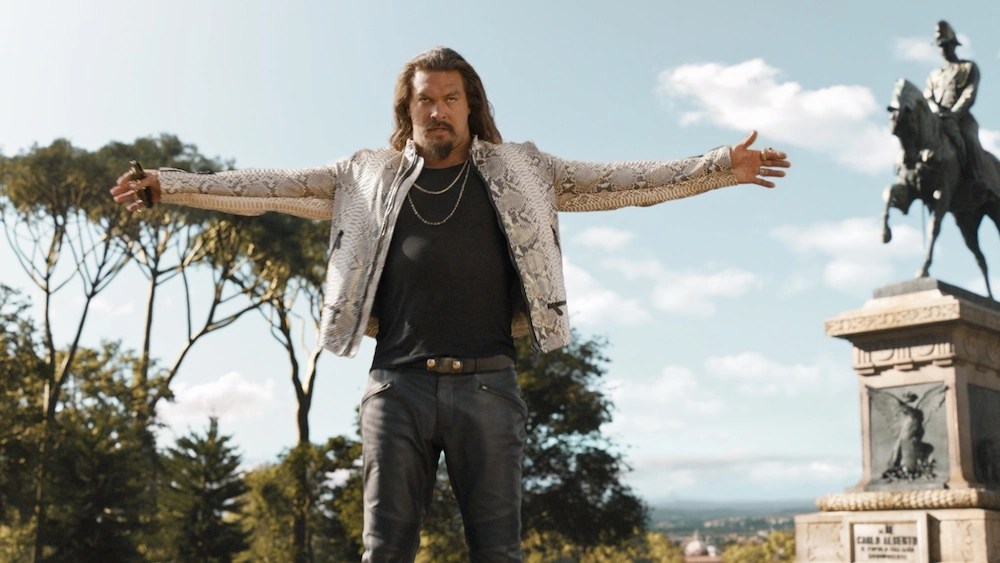
Jason Momoa in Louis Leterrier’s FAST X — PHOTO: Universal Pictures.
Directed by Louis Leterrier — Screenplay by Dan Mazeau and Justin Lin — Story by Dan Mazeau, Justin Lin, and Zach Dean.
Louis Leterrier’s Fast X follows Dominic Toretto (played by Vin Diesel) and his team — which consists of family, friends, and former villains (all of whom Dom considers to be ‘family,’ of course) — as they are put in danger when an unknown crazy enemy from their past named Dante Reyes (played by Jason Momoa) seeks vengeance.
Mark Wahlberg and Iliana Norris in The Familly Plan, now streaming on Apple TV+.
Directed by Simon Cellan Jones — Screenplay by David Coggeshall.
Simon Cellan Jones’ The Family Plan follows Dan Morgan (played by Mark Wahlberg), a car salesman who lives in Buffalo, New York with his wife Jessica (played by Michelle Monaghan), as well as his children Nina (played by Zoe Colletti), Kyle (played by Van Crosby), and Max (played by Iliana Norris and Vienna Norris). They seem like a normal family, but, in reality (and unbeknownst to his family), Dan isn’t the patriarch of the family’s real name and he is actually hiding from his associates from his past life as a hired assassin. When, one day, a picture of him is posted to the internet, he and his family are targeted. In an attempt to keep his family safe, he makes up an impromptu family vacation and has to keep hitmen off their backs on-the-go. Dan has to work up the courage to tell his family the truth, and, while they are on their road trip, he sees new sides of his beloved family.
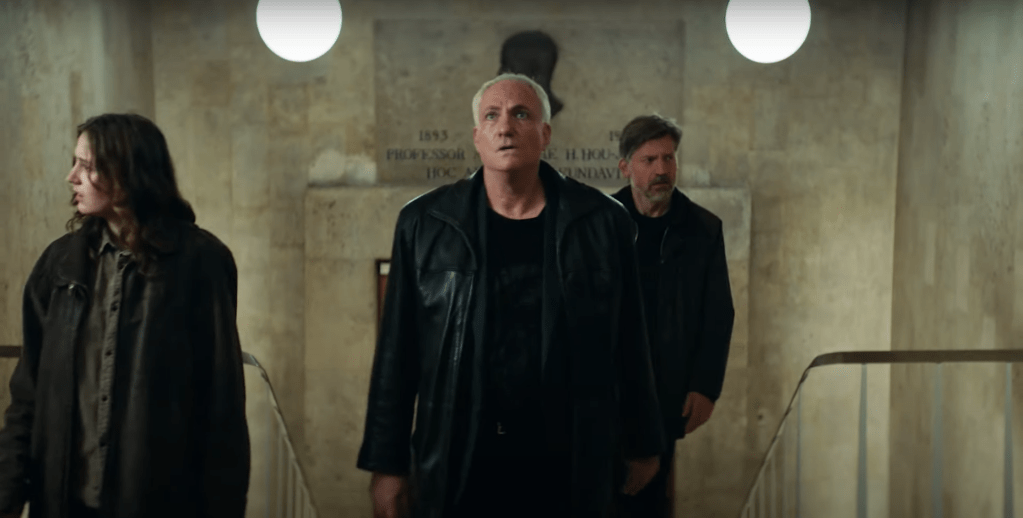
(L-R) Emma (Fanny Leander Bornedal), Jens (Kim Bodnia), and Martin (Nikolaj Coster-Waldau) stop by the forensic institute in Ole Bornedal’s NATTEVAGTEN – DÆMONER GÅR I ARV — PHOTO: Nordisk Film.
Directed by Ole Bornedal — Screenplay by Ole Bornedal.
The long-awaited sequel to the once locally groundbreaking Danish horror hit Nattevagten (international title: Nightwatch — though not to be confused with the American remake of the same name also directed by Ole Bornedal) starring Nikolaj Coster-Waldau — long before he became a part of a global sensation with Game of Thrones — is finally here. Back then Ole Bornedal shook audiences with a fresh horror film that showed the local film industry that, of course, strong Danish filmmakers have it within themselves to make competent horror films, even though the Danish film industry only rarely shows that it is capable of such things. Even today effective Danish horror films are few and far between. So, has Ole Bornedal caught lightning in a bottle yet again with his horror sequel? Well, to a certain extent. While Nattevagten: Dæmoner Går i Arv (international title: Nightwatch – Demons Are Forever) admittedly does suffer from familiarity, it is still a fairly entertaining sequel about the next generation trying to clear up their parents’ mistakes.
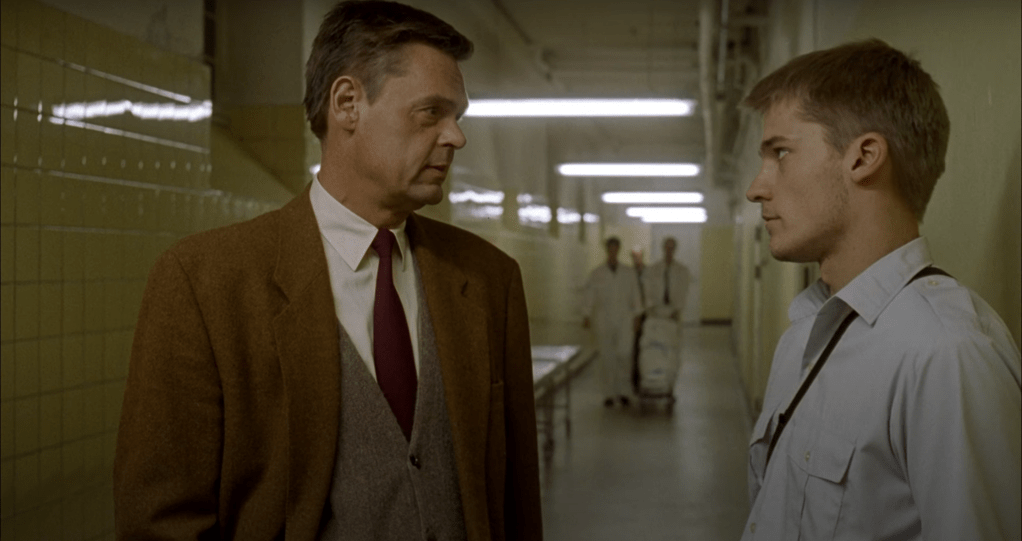
Ulf Pilgaard and Nikolaj Coster-Waldau in NATTEVAGTWN — PHOTO: Thura Film.
Directed by Ole Bornedal — Screenplay by Ole Bornedal.
In a couple of days, the long-awaited sequel to the Danish cult horror film Ole Bornedal’s Nattevagten will be released. The original film, which later resulted in the English-languaged remake (also directed by Ole Bornedal) Nightwatch starring Ewan McGregor, is one that I hadn’t seen in several years, so I was curious whether or not it would still hold up. Is the Danish cult genre film still as good as I remember it being? Well, yes and no.
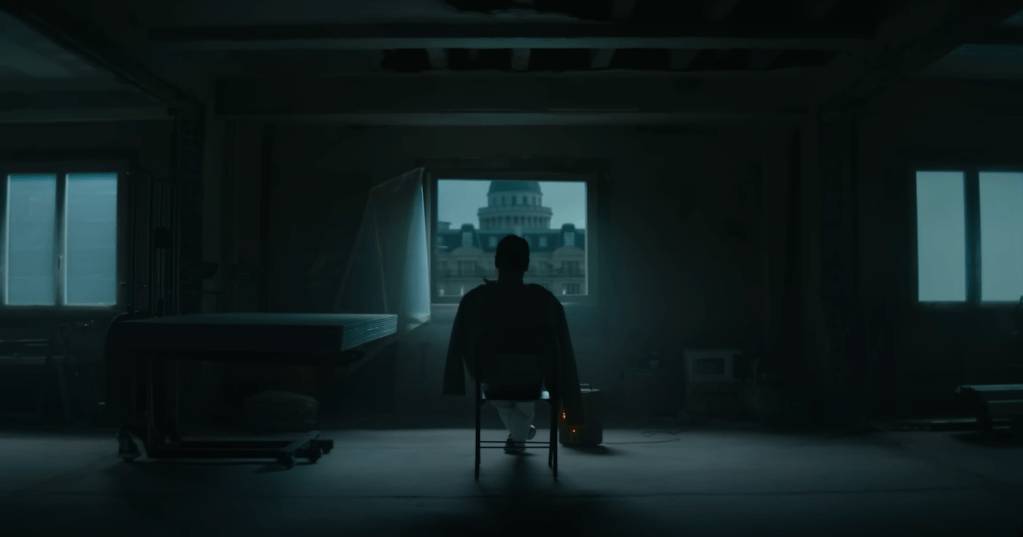
Michael Fassbender’s unnamed murder-for-hire sitting and waiting for the opportunity to arise in David Fincher’s THE KILLER — PHOTO: NETFLIX.
Directed by David Fincher — Screenplay by Andrew Kevin Walker.
No one does dark crime films quite like David Fincher. The world-class filmmaker who got his start as an assistant cameraman on The Return of the Jedi and as the director of several music videos (over the years he has won himself Grammy Awards for these efforts, as he has worked with artists like Madonna, Michael Jackson, The Rolling Stones, and others) before he eventually debuted with Alien 3, has made a lot of different kinds of films but some of his most popular efforts have been concerned with darkness, crime, and meticulousness, with films like Se7en (this film reunites him with Se7en writer Andrew Kevin Walker), The Game, Fight Club, Panic Room, Zodiac, The Girl with the Dragon Tattoo, and Gone Girl. With The Killer, the filmmaker’s twelfth feature film and second Netflix feature in a row, he has taken a story that admittedly may sound quite generic and turned it into something that is uniquely Fincher and quite good. Here he proves that even though Gone Girl came out almost ten years ago, Fincher’s expertise in the handling of this kind of material is a light that never goes out.
Awkwafina and Sandra Oh in Jessica Yu’s Quiz Lady — PHOTO: 20th Century Studios.
Directed by Jessica Yu — Screenplay by Jen D’Angelo.
Jessica Yu’s Quiz Lady follows Anne (played by Awkwafina), a young woman with social anxiety and an obsession with a certain game show named ‘Can’t Stop the Quiz.’ One day, she is informed that her mother has fled the home that she was in and left for Macau presumably to gamble and get out of her gambling debt in America. This information also reaches Anne’s older sister Jenny (played by Sandra Oh), who is a decidedly more outgoing party girl, and they reconnect for a few days. On one of those days, Jenny secretly records and uploads a video of Anne watching her favorite game show. It becomes an instant hit online as Anne knows every single answer to every single question.
Jason Schwartzman’s Augie Steenbeck leaning out of a window in Wes Anderson’s ASTEROID CITY — PHOTO: Focus Features / Universal Pictures International.
Directed by Wes Anderson — Screenplay by Wes Anderson — Story by Wes Anderson and Roman Coppola.
Everyone who has ever seen one Wes Anderson film knows exactly what a Wes Anderson film looks like. His signature style has made him a lot of fans and admirers over the years, and it has also earned him some notable imitators. Nowadays, with the advent of AI, automatically generated images, and the like, a trend of recreating fake film trailers in the style of Wes Anderson has surfaced. You can now go online and find several videos hyping up fake Wes Anderson-style films with AI-generated images of well-known actors that don’t exactly look right (I even saw one for a fake American adaptation of the iconic Danish Olsen Gang films). With the emergence of such artificiality leading to so many conflicting emotions, might I suggest that you check out the real thing? Asteroid City, Wes Anderson’s eleventh feature-length film, is well worth seeking out. As a matter of fact, I think it might be one of his best.
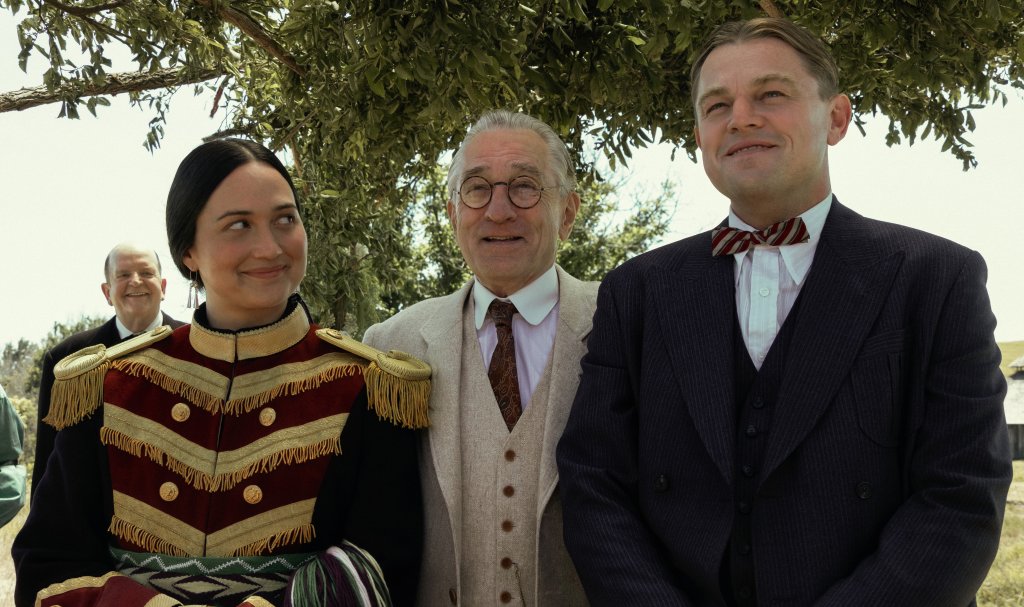
Recently, I’ve been especially interested in how films sometimes act as history lessons to those who watch them, as well as how this can both be a good and a bad thing. Ultimately, films can be made for a variety of purposes depending on which person involved with the project that you’re asking. With films, there is often a commercial goal or an interest in serving as a piece of entertainment, and these aims can sometimes lead to historical films blurring the lines between truth and fiction to such an extent that you do history a disservice. Other times artistic expression is of the utmost importance, and then, of course, there are, indeed, times when films primarily exist to inform and teach. Most of the time, though, the true purpose of a film is a mixture of all of these motivations. Sometimes the artistic expression combines with a purpose to inform and thus the output manages to stand as a reminder of how certain events have been swept under the rug through history by those in power. Because ultimately history books are as easy to manipulate as any other medium. In the case of Killers of the Flower Moon, we have a piece of historical filmmaking that takes an intense look at the moral rot of America in the 1920s and 1930s. It is a bold and epic film about greed, betrayal, complicity, and a disturbingly very real attempt at genocide. It is an American tragedy from a master storyteller who shows for all to see that he understands exactly what his role is in telling this story, as well as who should be telling it.
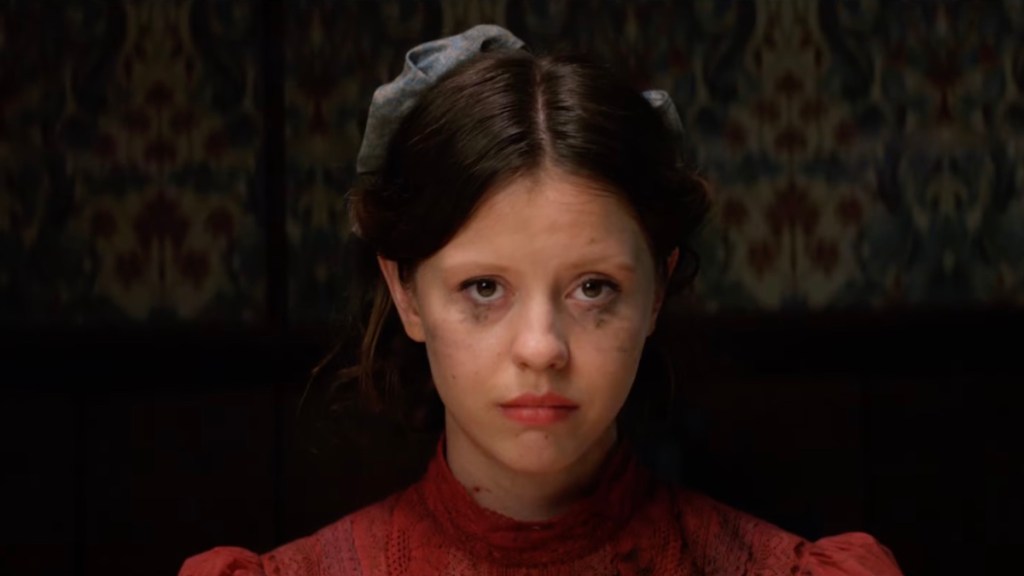
In spite of its late release in my corner of the world, Pearl — a prequel to Ti West’s horror hit X — was initially released in the very same year as X was in the United States. Together they present us with a fascinating horror period piece exercise centered on the power of the craft of filmmaking, being and feeling seen, and the American Dream. Whereas X was set in the 1970s, Pearl takes place in 1918 and follows its titular character (played by Mia Goth), a young woman who lives with her German immigrant parents on a farm in Texas. This is, indeed, the same elderly woman that Mia Goth played while covered in make-up and prosthetics in X (one of her two roles in that film), and this film thus serves as an origin story for that character. In the film, we see how Pearl feels trapped and lonely partly due to the fact that her husband (played by Alistair Sewell) is fighting in World War One in Europe, while her strict mother (played by Tandi Wright) insists that she does chores on the farm. Meanwhile, Pearl becomes increasingly infatuated with entertainment and dancing, and she is desperate to one day get up on a stage and gain mass approval — which a theater projectionist (played by David Corenswet, who was recently chosen to be the next Superman) ensures her she is ‘pretty enough’ for.
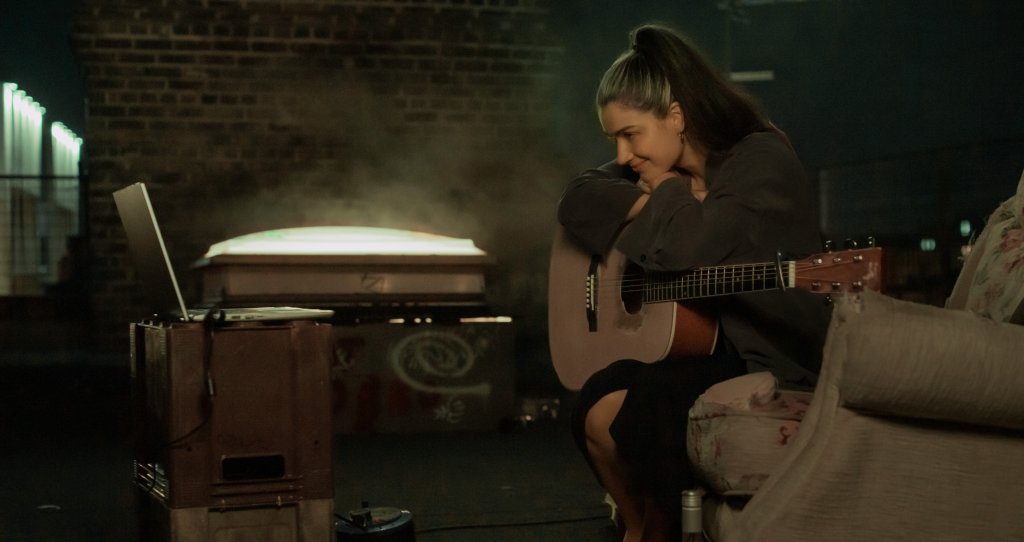
Eve Hewson in “Flora and Son,” now streaming on Apple TV+.
Directed by John Carney — Screenplay by John Carney.
Set in Dublin, Ireland, John Carney’s Flora and Son follows the titular characters — Flora (played by Eve Hewson) and her son Max (played by Orén Kinlan) — as the struggling mother makes an effort to grow closer to her son, who is on the wrong track and on the bad side of the law. Flora, who had her son when she was in her late teens, feels like life has passed her by. She doesn’t have a good relationship with her rebellious son or his father (played by Jack Reynor), and all she has to look forward to is going to a local nightclub to dance, drink, meet men, and start all over again. In an attempt to reach out to her son, she finds an old guitar in a waste container, has it restored, and presents it to her completely disinterested son. Flora decides to take part in online guitar lessons with Los Angeles-based Jeff (played by Joseph Gordon-Levitt), whom Flora is instantly smitten by. As the film goes forward, Flora and Max’s growing interest in music brings them closer together.




 I'm Jeffrey Rex